Every two years, FIRST 5 Santa Clara County takes a close look at how our youngest learners are doing as they enter school. The newly released 2025 Santa Clara County Kindergarten Readiness Assessment (KRA) provides both an important snapshot and a call to action for families, early educators, and the broader community.
Developed in partnership with Applied Survey Research (ASR), Kids in Common, Silicon Valley Community Foundation, and Morgan Family Foundation, the assessment is based on a representative sample of 705 children across 23 schools. It evaluates readiness across key developmental areas, including early academics, self-regulation, and social expression. Data were collected using the Kindergarten Observation Form (KOF), completed by teachers, and the Parent Information Form (PIF), completed by families.
Why Kindergarten Readiness Matters
Kindergarten isn’t just about knowing letters and numbers. It’s about the whole child, how they learn, connect, and navigate the world. The KRA measures this using two tools:
Kindergarten Observation Form (KOF): Completed by teachers to assess children’s skills in the classroom
Parent Information Form (PIF): Captures family and home environment insights
Together, they paint a fuller picture of readiness across key developmental areas:
Early academics
Self-regulation (focus, emotions, behavior)
Social expression (communication, relationships)
This year’s report reflects a representative sample of 705 children across 23 schools in Santa Clara County.
A Concerning Trend, and an Opportunity
One of the most important findings: school readiness has declined since 2018.
While this is concerning, it’s not surprising. Many children in this cohort experienced early developmental disruptions during the COVID-19 pandemic, missing out on social interaction, structured learning, and consistent routines.
But here’s the hopeful part: The report doesn’t just highlight challenges, but it identifies clear, actionable ways to improve outcomes.
Factors That Make the Biggest Difference
The KRA identifies some “malleable assets” or things families, schools, and communities can actively support that strongly predict whether a child is ready for kindergarten.
1. Basic Needs Well-Being (Most Important)
Children who are well-rested and well-fed perform significantly better. Consistent sleep, healthy meals, and predictable routines are foundational.
2. Participation in Early Learning Programs
Children who attend preschool, Transitional Kindergarten (TK), Head Start, or licensed child care show higher readiness. Structured learning environments build critical skills early.
3. Caregiver Education Level
Higher caregiver education levels are linked to higher readiness scores. But importantly this is where community supports can help bridge gaps.
4. Lower Weekday Screen Time
Less screen time = better readiness. More time for play, conversation, and exploration makes a difference.
5. Kindergarten Transition Activities
Families who attend school orientations or transition events see better outcomes. Familiarity reduces anxiety—for both kids and parents.
6. Learning About Kindergarten
Caregivers who read about what to expect in kindergarten help children feel more prepared. Knowledge builds confidence.
7. Daily Reading with Your Child
Reading together 6–7 days per week is one of the simplest and most powerful tools. It builds language, imagination, and connection.
One of the most powerful insights from the report is that these factors work together. The more supports a family has, the more a child is prepared for Kindergarten. Readiness isn’t about one perfect factor. It’s about building a supportive environment across multiple areas.
What This Means for Parents
You don’t need to do everything perfectly. Small, consistent actions make a big impact:
You are your child’s first and most important teacher.
What This Means for Providers and Educators
For early educators, schools, and community partners, the KRA reinforces the importance of:
Expanding access to high-quality early learning programs
Supporting families with basic needs resources
Creating strong kindergarten transition experiences
Providing parent education and engagement opportunities
This is collective work, and it’s working when we do it together.
Moving Forward, Together
The 2025 Kindergarten Readiness Assessment is both a wake-up call and a roadmap. While readiness has declined, we now have clearer insight into what helps children thrive—and those solutions are within reach.
At FIRST 5 Santa Clara County, we’re committed to ensuring every child enters kindergarten ready to learn, grow, and succeed. Looking for simple, fun ways to support your child’s journey to kindergarten?
Download our “On My Way to K!” guide featuring Potter the Otter for easy tips, activities, and tools you can use every day to build healthy habits and school readiness at home. It’s a great place to start and fun way to learn together. Because when we support children early, we build stronger families—and a stronger community—for years to come.
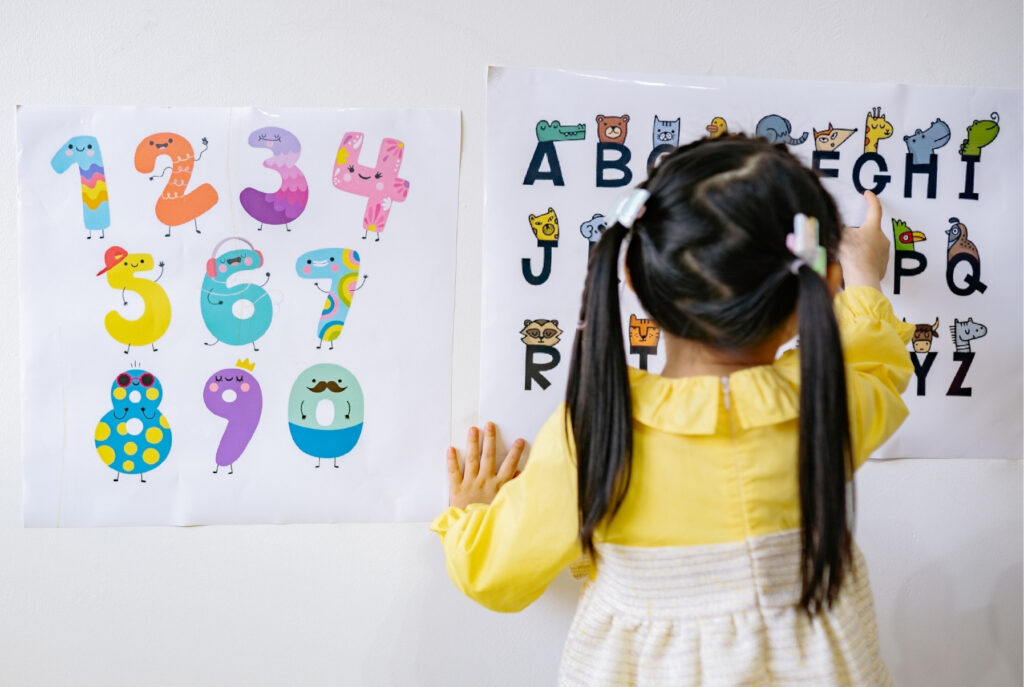
FOR IMMEDIATE RELEASE New Report Shows Decline in Kindergarten Readiness in Santa
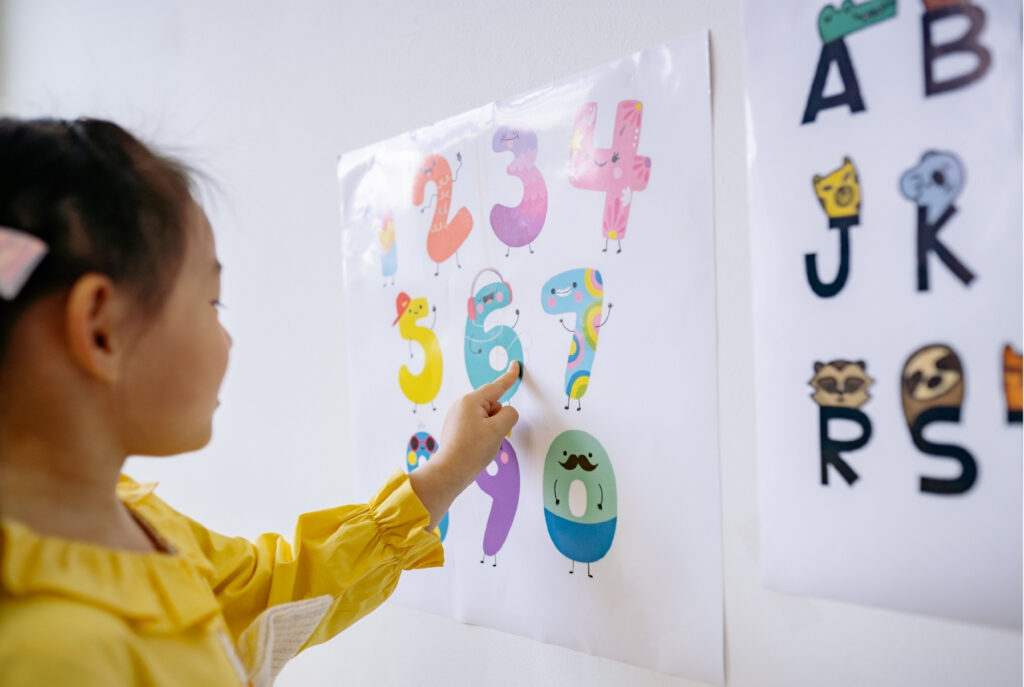
Every two years, FIRST 5 Santa Clara County takes a close look

Big help for our littlest humans. Right now, we are at a
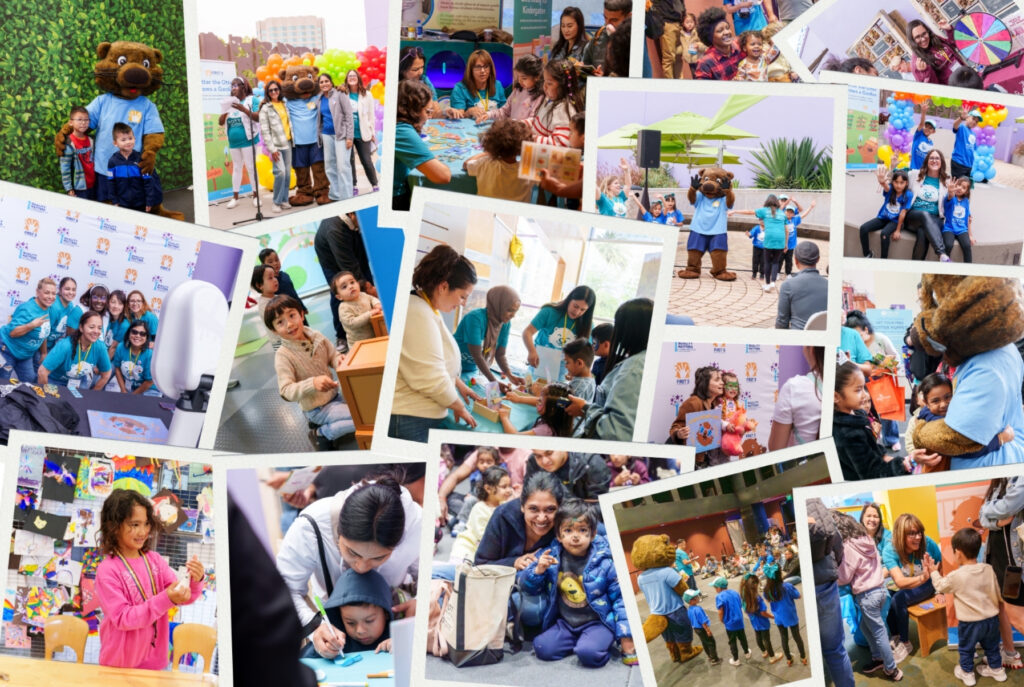
A day filled with smiles, discovery, and meaningful connections. What a day!
FOR IMMEDIATE RELEASE April 25, 2026 FIRST 5 Santa Clara County and

Earth Day is on April 22, 2026, a special day to celebrate