
Quality child care can shape a child’s future, help parents stay in the workforce and strengthen an entire community. But for too many Santa Clara County families, finding care that is affordable, accessible and trusted remains a challenge.
This week, Santa Clara County unveiled its new Child Care Blueprint, a locally focused framework for strengthening the child care system by starting with the voices of families themselves.
“At FIRST 5, we are all about young children thriving at the most critical time in their lives for brain development,” Cloyd said. “So much of the research out there proves that investing early has a huge impact on a child’s outcomes as an adult. And this Blueprint really puts that on paper.”
The Blueprint was developed with a simple principle: listen to families first.
Beginning in fall 2025, the County’s Office of Children and Families Policy and Clarity Social Research Group held 12 listening sessions with 95 parents and caregivers in English, Spanish and Dari. Participants included immigrant and refugee families, parents of children with disabilities, veterans, low-income families, former foster youth and families experiencing housing instability and other significant barriers.
Families said they want affordable, high-quality care they can trust; care that reflects their culture and language; hours that work with their jobs; accessible environments for children with disabilities; and easier ways to find and understand child care resources.
For Cloyd, that emphasis on relationships and trust is especially important.
“Any parent knows that the relationship they build and that their child builds with a provider and early educator is critical,” Cloyd said. “It is a main part of why parents choose the care they do.”
The Blueprint also highlights the scale of the challenge. In 2023, Santa Clara County had an estimated shortage of more than 25,000 child care slots, with more than 19,000 of those needed for infants and toddlers. Just 28% of estimated demand for children under age 3 was being met. At the same time, median annual center-based infant care cost more than $30,000.
Providers are feeling the pressure, too. Child care workers earn an average of $20.84 per hour, or about $43,340 annually, and the Blueprint identifies low wages, stress, burnout and high turnover as significant challenges facing the workforce.
That is why strengthening the early childhood workforce is such an important part of both the Blueprint and FIRST 5’s work.
“That’s why FIRST 5 is so invested in encouraging our community’s best to consider a career in early education, and why we care so much about retaining the talented providers we already have in this field and in this community,” Cloyd said. “Quality early learning can be a solution to so many of our community’s challenges.”
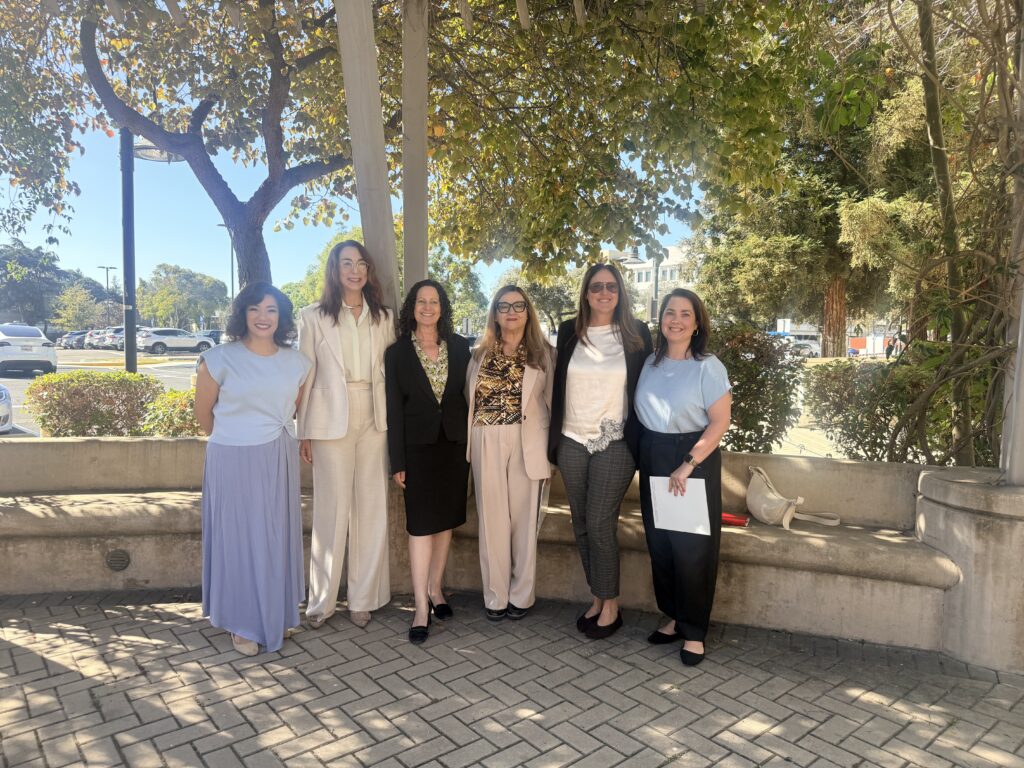
FIRST 5 was proud to serve on the Blueprint Advisory Committee, joining child care providers, public agencies, higher education institutions and community organizations that met regularly to review family feedback and develop strategies responsive to what families said they need.
The resulting Blueprint focuses on three areas: Child Care Navigation, Access and Cost; Readiness and Support of the Child Care Workforce; and Child Care Facilities That Meet Families’ Needs. Together, the goals address everything from making resources easier for families to navigate to improving compensation and career pathways for providers and expanding the supply of child care spaces.
One strategy FIRST 5 is particularly excited about is strengthening support for Family, Friend and Neighbor (FFN) caregivers, the relatives, friends, neighbors and other informal caregivers many families depend on. The Blueprint recommends expanding multilingual training and support for FFN caregivers, including professional development, stipends, Communities of Practice, subsidy navigation and child development supports.
“We know that so many parents rely on family, friends and neighbors to help care for their children while they’re at work,” Cloyd said. “We’re excited about the Blueprint’s strategy to invest in those informal caregivers, provide them with professional development to help them become the best caregivers they can be, and perhaps encourage some to become licensed providers and help grow our network of child care slots.”
FIRST 5 is already working to create pathways for people at different stages of the early learning profession from those just beginning to consider a career in child care to experienced educators interested in continuing their education and advancing their careers. The Blueprint similarly calls for expanding career pathways, reducing language and financial barriers, offering professional development and creating incentives for people to enter and remain in the field.
The Blueprint is designed as a starting point for collective action, not the work of any one organization. The County plans to convene an Action Implementation Committee to identify Year 1 priorities and build upon child care efforts already underway across Santa Clara County.
For FIRST 5, that partnership is essential to creating a community where young children, families and the people who care for them can thrive.
“Investing in those who care for our own is investing in our own, and research tells us it comes with a huge return on that investment,” Cloyd said. “At FIRST 5, we’re very excited to partner with our friends at the County and our other partners to make this community a thriving one for our littlest neighbors.”

Head Start and Early Head Start have supported young children and families
Quality child care can shape a child’s future, help parents stay in

One Small Thing Can Make a Big Difference for a New Mom

September is National Literacy Month, and at FIRST 5 Santa Clara County,
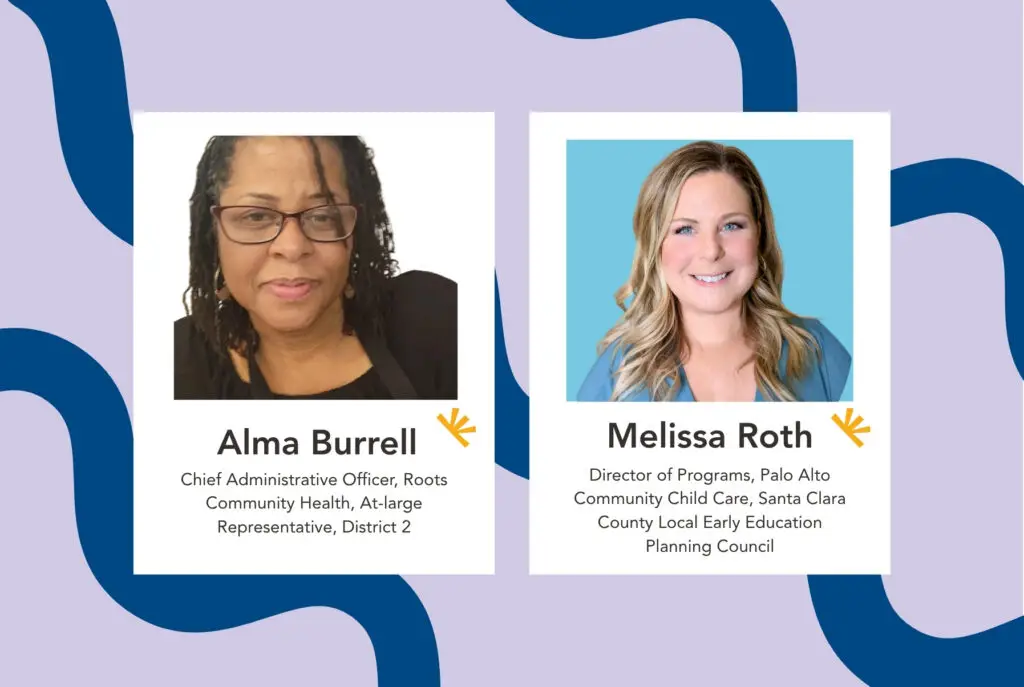
FIRST 5 Santa Clara County is pleased to welcome Alma Burrell and

The world has lost an icon, but Dolly Parton’s legacy will live